
Punakaiki – Where the Land, Sea, and People are One
Understanding the deep cultural significance of Punakaiki.
Published on 10 December 2025
Mi tincidunt elit, id quisque ligula ac diam, amet. Vel etiam suspendisse morbi eleifend faucibus eget vestibulum felis. Dictum quis montes, sit sit. Tellus aliquam enim urna, etiam. Mauris posuere vulputate arcu amet, vitae nisi, tellus tincidunt. At feugiat sapien varius id.
Eget quis mi enim, leo lacinia pharetra, semper. Eget in volutpat mollis at volutpat lectus velit, sed auctor. Porttitor fames arcu quis fusce augue enim. Quis at habitant diam at. Suscipit tristique risus, at donec. In turpis vel et quam imperdiet. Ipsum molestie aliquet sodales id est ac volutpat.
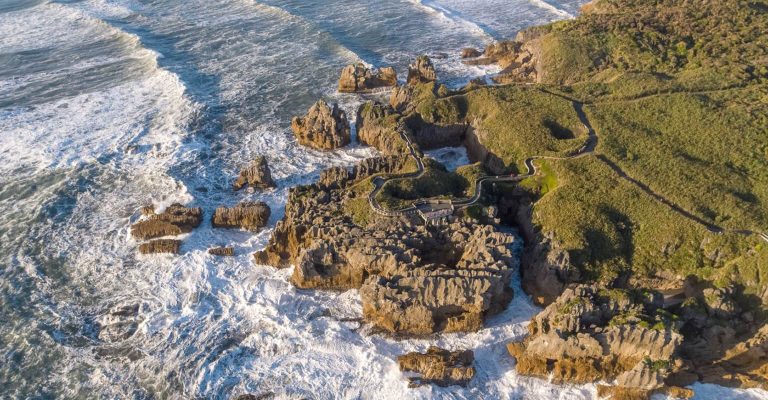
Nestled between the tall cliffs and wild waves of the West Coast, Punakaiki is a place where stories live in the land.
Long before there was a road or a town, this coast was part of the great pathways of Te Tai Poutini the western side of the South Island where Māori travelled, gathered food, and found pounamu (greenstone), the treasured stone of Aotearoa.
The First People of the Coast
Many generations ago, the first people to come to Te Wai Pounamu (the South Island) were explorers and travellers. They were the ancestors of Ngāi Tahu, Ngāti Māmoe, and Waitaha.
Over time, their descendants became the people of this region Poutini Ngāi Tahu, whose guardian was the taniwha Poutini, protector of both the people and the pounamu that lies hidden in the rivers and mountains.
For Māori, the land and sea are not just places; they are whānau (family). The rivers have their own stories and the mountains have their own names. Every rock, bird, and wave carries a memory of those who came before.
The Journey Along the Coast
The coastline around Punakaiki is as beautiful as it is wild. Sheer cliffs, thick forest, and the pounding surf made travel hard. But Māori found ways through weaving ladders from strong rata vines and making paths through the nīkau and māhoe forest.
Travellers would stop here to rest before crossing the cliffs of Te Miko cliffs, which were so steep and dangerous they were once called “a full stop on coastal journeys.”
Even then, the people of Te Tai Poutini knew the power and spirit of this land. They gathered food from the rivers and forest eels, fish, birds, and fern roots and from the sea they took kaimoana: shellfish and seals. Every meal, every journey, was a reminder of the connection between people and nature.
A Changing Land
In the 1800s, new arrivals came to this coast. Gold was found, and settlers followed. Roads were built, rivers were crossed, and the small community of Punakaiki began to grow. But through all these changes, the stories and mana of the land remained.
Today, Te Rūnanga o Ngāti Waewae, the local hapū (sub-tribe) of Ngāi Tahu, continue to be the kaitiaki the guardians of this coastline. Their role is to care for the land, sea, and sacred places, ensuring that the stories and spirit of Punakaiki live on for generations to come.
Feeling the Whenua
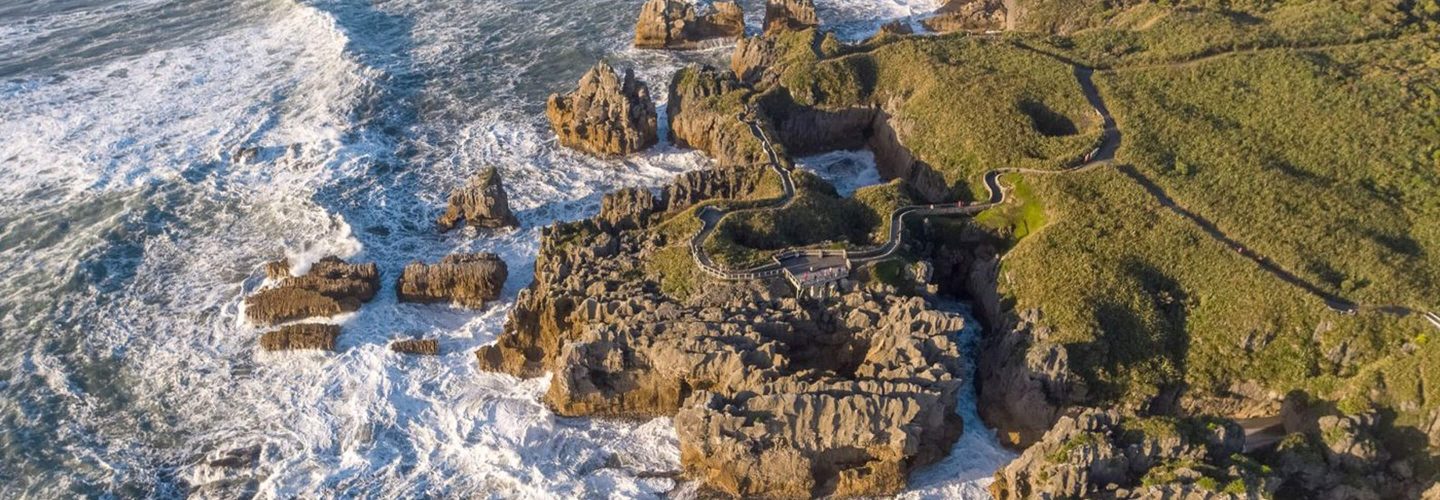
When you walk along the beach at Punakaiki or listen to the Pororari River as it winds through the forest, you are walking where generations have walked before. The limestone cliffs and pancake rocks are not just stunning sights; they are part of a living landscape, shaped by nature and woven with Māori history.
Here, the land remembers.And if you listen closely in the whisper of the sea breeze or the rustle of the nīkau palms you might just hear the voices of those who came before, reminding us that we are all connected to this place we call Punakaiki.
Share this post


Read latest articles
New Tracks and Punakaiki Update
The new Punangairi Visitor Centre has been up and running for well over a year now. Locals and visitors have...
Read more
Top 5 things to do with Families
It’s time to start planning how you’re going to spend your summer holidays and here at the Punakaiki Beach Camp...
Read more